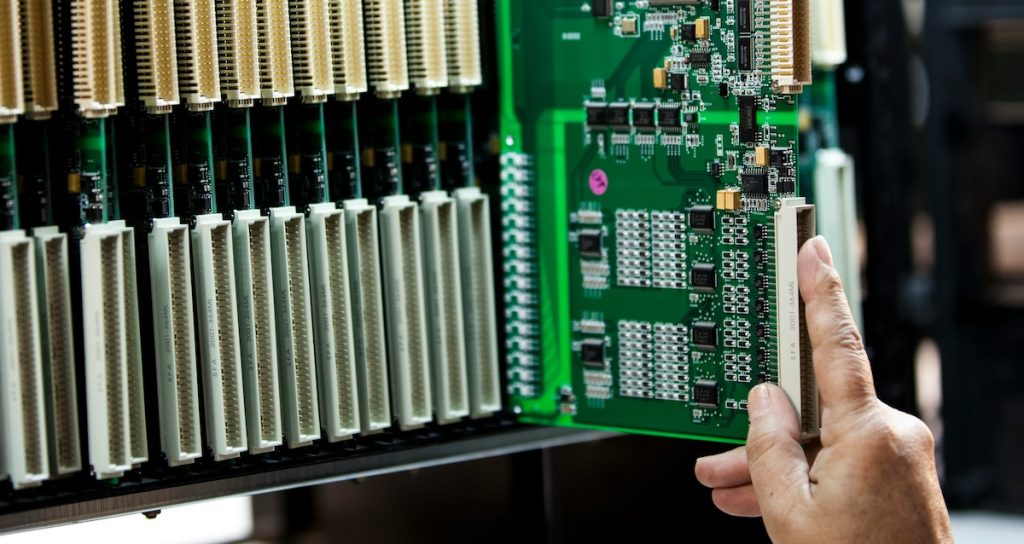

From smartphones and electric vehicles to aerospace systems and medical devices, semiconductors power nearly every piece of modern technology. These tiny chips enable high-speed computing, data processing, and intelligent automation.
But behind each chip lies an incredibly complex, precision-driven process: semiconductor manufacturing.
At Eagle Metalcraft, we support companies across the electronics and semiconductor supply chain with the precision metal components their equipment depends on. Our capabilities include precision sheet metal fabrication, CNC-machined parts, electronic enclosures, chassis, finishing, and assembly, giving manufacturers access to multiple production capabilities through one manufacturing partner.
What Are Semiconductors?
Semiconductors are materials with electrical conductivity between that of conductors and insulators. Silicon is the most commonly used, though materials like gallium arsenide and silicon carbide are also used in high-performance applications.
How Semiconductor Materials Function
When engineered into chips, semiconductors can control electrical signals, store data, and execute complex instructions. These microdevices form the heart of everything from smartphones to satellites.
Additional neutral information about semiconductor technology is available through NIST semiconductor resources.
Key Steps in Semiconductor Manufacturing
The path from raw silicon to finished chip is intricate and exacting. Semiconductor manufacturing uses multiple stages to transform purified materials into microscopic circuits.
Wafer Fabrication
Semiconductor devices begin as thin silicon wafers, sliced from purified crystal ingots. These wafers are polished to a mirror finish and prepared for circuitry.
Photolithography
A light-sensitive photoresist is applied to the wafer surface. Ultraviolet light transfers a circuit pattern onto the wafer, creating microscopic pathways for current.
Manufacturing information from NIST MEP provides broader context on process control and advanced production.
Etching and Doping
Unwanted material is chemically etched away, and areas doped with ions to alter electrical properties. This forms the foundation of each transistor and integrated circuit.
Deposition and Metallization
Thin layers of insulating and conductive materials coat the wafer. Metal traces follow, connecting circuit elements to form working chips.
Assembly and Packaging
Manufacturers test the finished chips, separate them from the wafer, and package them in protective casings for integration into electronic devices.
Precision Manufacturing Support
Because semiconductor features can be extremely small, semiconductor manufacturing requires extraordinary accuracy and consistency. The equipment surrounding those processes also depends on precisely manufactured structures, housings, panels, and components that support reliable operation.
Where Precision Metalwork Fits
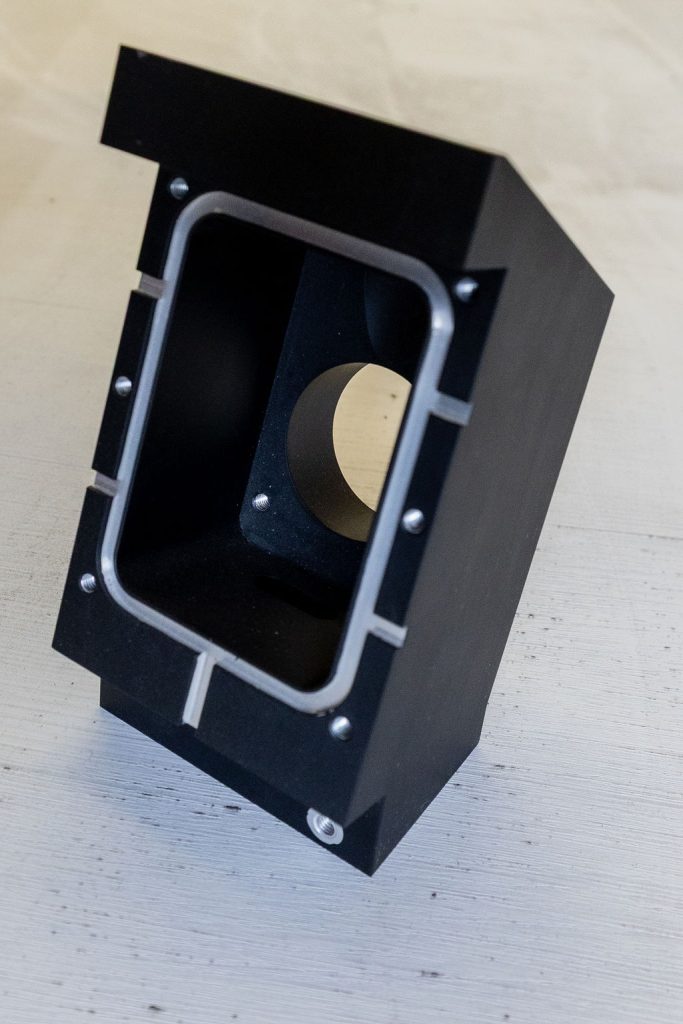
Equipment used in semiconductor manufacturing can depend on CNC-machined parts, sheet metal structures, cabinets, panels, enclosures, and fabricated assemblies.
Eagle Metalcraft supports these requirements through semiconductor fabrication, fabrication and assembly, and custom electronic enclosures. Combining these capabilities can help equipment manufacturers coordinate multiple stages of component production with a single supplier.
Supporting Electronics
Related equipment can also require electronic fabrication for control systems and supporting hardware. By supporting both fabricated metal components and related assemblies, Eagle Metalcraft can serve a broader portion of the equipment manufacturing process.
Common Semiconductor Manufacturing Challenges
Semiconductor manufacturing is one of the most technically demanding production processes in the world. Chipmakers must balance extreme precision with high-volume production and supply chain complexity.
Miniaturization
Modern chips feature elements measured in nanometers. This scale demands advanced techniques and microscopic precision across every step of production.
Supply Chain Risk
Global disruptions have led to increased focus on domestic production and localized supplier networks. Working with a manufacturing partner that supports machining, fabrication, finishing, and assembly can reduce the number of suppliers involved in producing equipment components.
Thermal and Electrical Demands
New applications can require semiconductors capable of operating under demanding electrical and thermal conditions.
Cleanroom Compatibility
Manufacturers must control dust, oils, and static during production. Precision parts, from design to finish, follow strict contamination controls.
OSHA semiconductor guidance provides neutral information about workplace considerations associated with semiconductor operations.
Trends Reshaping Semiconductor Manufacturing
As demand continues to grow and applications expand, semiconductor manufacturing continues to evolve. New technologies and manufacturing strategies are transforming production.
Smart Manufacturing
Connected machines, predictive maintenance, and real-time process data are turning fabrication facilities into highly optimized smart factories.
Advanced Materials
Manufacturers increasingly rely on advanced alloys, ceramics, and composites for next-generation chip production tools and packaging.
Neutral materials information is available through ASTM International.
Automation
Robotic wafer handling and automated inspection systems are improving production speed, repeatability, and yield.
Broader manufacturing resources are available through SME and ISO.
Equipment and Component Support
Semiconductor equipment programs can also rely on electronic chassis, finished components, and related metal assemblies. Eagle Metalcraft brings these capabilities together to support component production from fabrication and machining through finishing and assembly, helping customers simplify sourcing while maintaining continuity across manufacturing stages.
FAQ
These questions summarize several important parts of semiconductor manufacturing and the equipment used to support it.
What is semiconductor manufacturing?
Semiconductor manufacturing transforms semiconductor materials into functional electronic devices through wafer preparation, circuit fabrication, packaging, and testing.
What material is commonly used for semiconductors?
Silicon is the most commonly used semiconductor material, though other semiconductor materials may also be used for specific applications.
Why are cleanrooms important?
Cleanrooms control airborne particles and other environmental conditions. Even microscopic contamination can interfere with the structures created during semiconductor manufacturing.
What happens after wafer fabrication?
The wafer is separated into individual dies. The dies are then packaged, electrically connected, and tested.
How does Eagle Metalcraft support semiconductor equipment manufacturing?
Eagle Metalcraft supports semiconductor equipment programs with CNC-machined parts, fabricated structures, enclosures, chassis, finishing, and assembly. These capabilities allow customers to source multiple types of precision metal components and related manufacturing services from one supplier.