
Choosing between powder coating and wet paint starts with the finished part’s job. A machine cover, an electronic chassis, and a close-fitting bracket may share the same color requirement while needing different coating thicknesses, masking, cure conditions, and repair plans.
For engineers and buyers, the useful question is which coating system fits the material, geometry, service environment, and production process. This guide compares powder coating vs paint for manufactured metal parts and explains the information to put on the drawing before requesting a quote.
Understand the Difference Between the Processes
Powder and liquid coatings reach the part in different forms. Both need suitable surface preparation and a controlled application process; neither process name alone defines performance.
How Powder Coating Is Applied
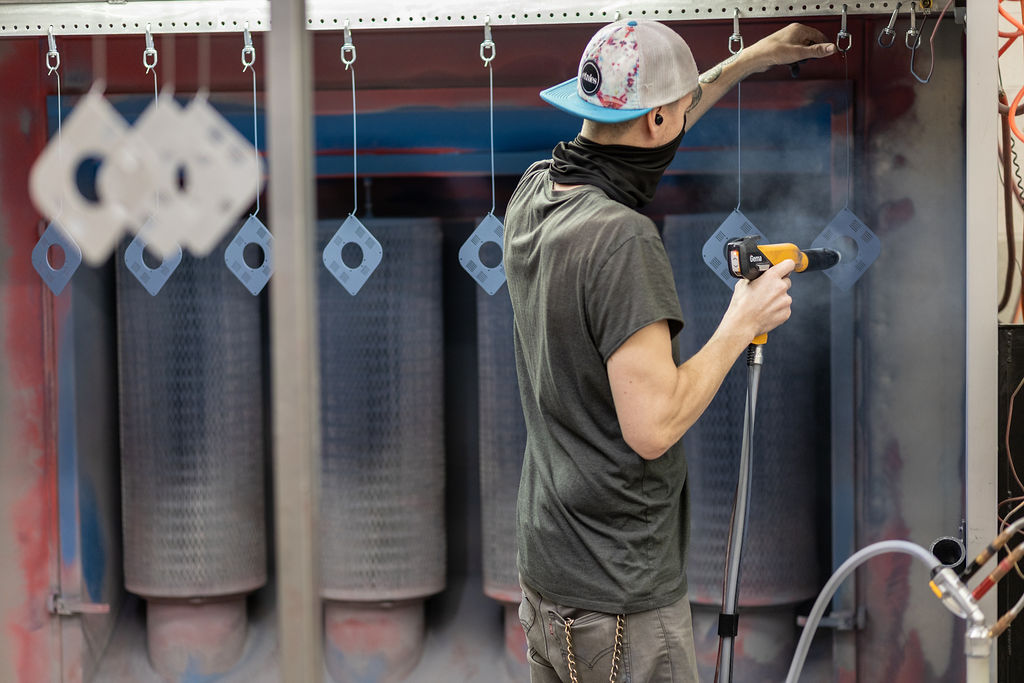
In a common industrial process, dry powder is applied electrostatically to a prepared metal part and then heated so the coating flows and cures. The product’s specified time and temperature govern the cure. Oven air temperature alone does not tell you whether the part has met that schedule.
Part mass, geometry, racking, and the selected powder affect the process plan. Ask the finisher to confirm that the part can tolerate the required cycle, especially if it contains installed components or materials that respond differently to heat.
How Wet Painting Is Applied
Wet painting applies a liquid coating that dries or cures according to its chemistry. Some systems can cure without a high-temperature bake; others require elevated temperature. A liquid coating should not be assumed to be suitable for a heat-sensitive assembly without checking its actual process requirements.
Eagle Metalcraft offers powder coating and wet painting through its finishing manufacturing services. Sharing the part drawing and performance requirements helps establish which route is suitable before selecting a product or approving a finish sample.
Match the Coating System to the Environment
A coating’s resin chemistry, pretreatment, film thickness, and application quality all affect its behavior. A comparison based only on powder versus liquid can overlook the requirements that matter in service.
Describe Exposure and Cleaning Conditions
Tell the finisher whether the part will be indoors or outdoors, exposed to sunlight, handled frequently, or subjected to oils, cleaning products, or abrasion. Include the expected temperature conditions and any known chemicals. Those details are more useful than a general request for a durable finish.
The same color can be supplied in different coating chemistries with different performance. Specify the required system or ask for a recommendation against the stated environment. Do not substitute one product for another solely because the color and gloss look similar.
Define the Performance Evidence You Need
If a corrosion test is required, name the method, exposure duration, specimen preparation, and acceptance criteria. ASTM B117 describes salt spray testing conditions, but test hours should not be converted directly into a promise of years in the field.
For aluminum parts, identify the alloy and the intended preparation or pretreatment as part of the coating discussion. Coating selection cannot compensate for an unsuitable substrate or poorly controlled preparation.
Check Thickness, Fits, and Electrical Contact Areas
Finishing changes the surface the next operation will see. Features that fit before coating may need allowances or masking to work correctly after coating.
Specify the Finished Condition
State the permitted dry-film thickness and where it applies. Do not assume that every powder coating is thick or every wet paint is thin; the actual product and application specification determine the film build.
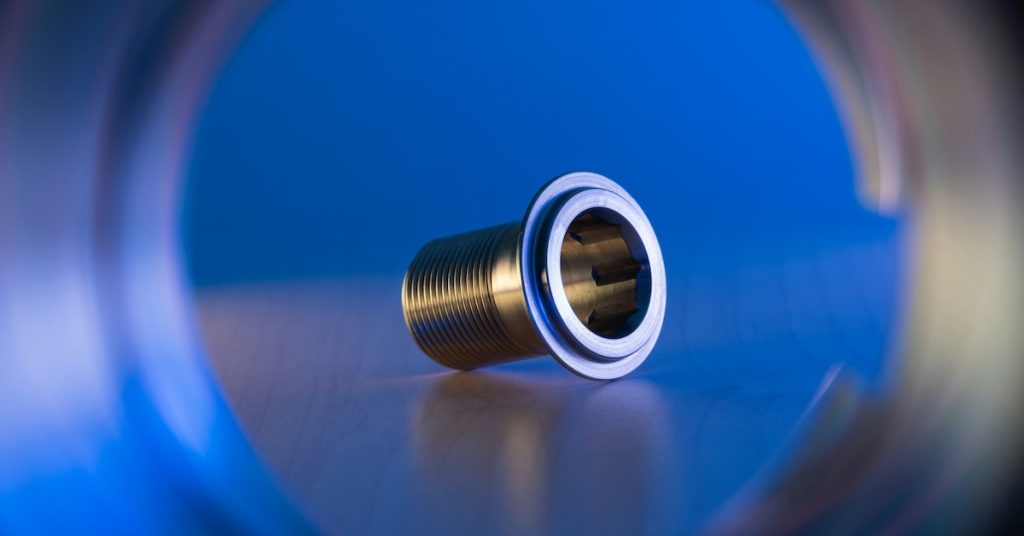
For holes, sliding interfaces, mating surfaces, and close clearances, evaluate the effect of coating on both parts. If two coated faces meet, the buildup on each face can affect the assembled fit. A nominal coating value should not be treated as an exact dimension without an agreed tolerance.
ASTM D7091 addresses nondestructive dry-film thickness measurement for specified coating and substrate combinations. When thickness verification is required, agree on the appropriate method and measurement locations rather than requesting a reading with no defined acceptance range.
Create a Clear Masking Map
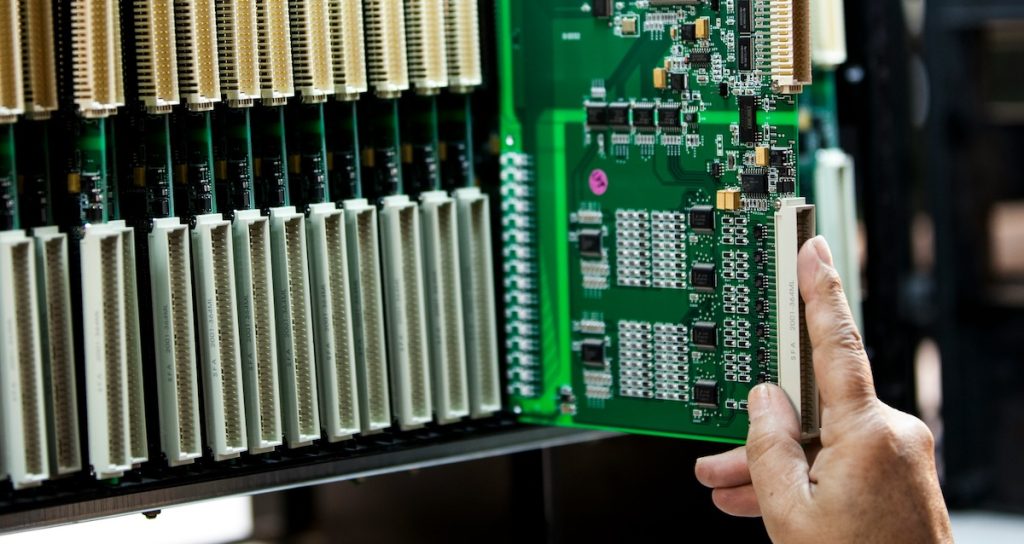
Identify threads, bearing seats, locating surfaces, bonding areas, and electrical contact points that need protection. On electronic chassis, coating at an intended grounding connection can interfere with the designed contact path. Engineering should define which surfaces remain bare and how exposed metal is protected where necessary.
Discuss masked boundaries and allowable rack marks before coating. The finisher needs practical access to hold and process the part. If every surface is cosmetic, resolve how it will be supported and how any unavoidable contact area will be accepted.
Plan Appearance, Preparation, and Repair Together
Color is only one part of cosmetic acceptance. Texture, gloss, surface condition, and the location of visible faces should be defined before the first lot is finished.
Use an Approved Sample for Cosmetic Decisions
Specify a color reference, gloss or texture target, and which faces are normally visible. A physical approval sample can clarify expectations that a color code does not capture. If viewing conditions or permissible defects matter, document them instead of relying on a general request for a perfect finish.
Eagle’s guide to powder coating finish options provides additional context for appearance choices. Mark any subsequent printing or labeling requirements so the coating and marking processes can be considered together.
Resolve Substrate and Weld Appearance First
Oil, contamination, surface damage, and inconsistent preparation can undermine either coating route. Identify the required pretreatment and communicate any cosmetic grinding or smoothing needed before coating. A coating should not be expected to conceal every fabrication mark or weld profile.
For parts that need welding, define the visible weld condition before selecting the finish. Where silk screening follows coating, coordinate artwork, registration, and the compatibility of the marking system with the finished surface.
Agree on Repair Before It Becomes Necessary
Liquid touch-up may be an option for some damaged coatings, but compatibility, adhesion, color, and texture must be considered. A touched-up powder-coated surface should not automatically be assumed to perform or look identical to the original coating.
Specify whether repair is permitted, which materials may be used, and when a part must be stripped and recoated or rejected. If adhesion testing is required, ASTM D3359 provides tape-test methods; agree on the applicable method and acceptance criteria rather than treating the test name as a complete specification.
Compare the Full Production and Delivery Cost
The coating material price is only one part of the finished-part cost. Lot size, color changes, masking, preparation, curing, handling, and packaging can change the comparison.
Ask for Quotes Against the Same Requirements
Give both coating options the same drawing, quantity, appearance criteria, exposure conditions, and inspection requirements. Ask what preparation, masking, setup, samples, and records are included. A lower price may represent a simpler scope rather than a more efficient process.
Include any required process controls in the supplier discussion. OSHA’s spray-finishing requirements address hazards associated with relevant liquid and powder applications. Neither route should be selected on the assumption that its application process needs no safety controls.
If you are identifying domestic coating or fabrication partners, NIST MEP Supplier Scouting is a resource for matching manufacturing needs to supplier capabilities. Confirm the specific product, geometry, and production requirements with the selected shop.
Protect the Finish Through Assembly and Shipment
Confirm when the part can be handled, packed, and assembled under the selected coating’s requirements. Define how components will be separated and protected during transport, especially where cosmetic faces might rub against each other.
For fabrication and assembly programs, coordinate the finishing sequence with hardware installation and final checks. The preferred coating is the one that meets the finished product’s requirements and can be processed, inspected, handled, and supplied consistently.
Frequently Asked Questions About Powder and Wet Paint
These answers summarize the main decisions for coating manufactured metal parts.
Is powder coating always more durable than wet paint?
No. Performance depends on the complete coating system, including chemistry, preparation, film thickness, cure, and service environment.
Can wet paint be used on heat-sensitive parts?
Some liquid systems can cure without a high-temperature bake, but others require heat. Confirm the selected product’s requirements and the assembly’s temperature limits.
Should threaded holes and grounding points be masked?
They may need masking to preserve their function. Engineering should identify the required bare surfaces, masked boundaries, and any protection needed for exposed metal.
Do salt spray hours predict outdoor service life?
They should not be converted directly into years of service. State the required test and acceptance criteria while evaluating the coating against the actual environment.
What should a coating quote request include?
Include the substrate, drawing, quantities, coating specification or performance needs, color, gloss, thickness, masking, cosmetic criteria, inspection requirements, packaging, and delivery date.