
CNC machining has become one of the most important advancements in modern manufacturing, helping companies produce complex components with incredible accuracy and repeatability. The term CNC stands for Computer Numerical Control, which means machines operate through programmed instructions rather than manual control.
What Is CNC Machining? Understanding the Technology Behind Precision Manufacturing
When people ask what is a CNC machine or what is CNC machining, they are referring to a manufacturing process where computers guide tools that cut, shape, and finish materials with precision. From aerospace parts to everyday industrial components, CNC machining technology supports efficient production and consistent quality.
Why CNC Technology Transformed Production
By replacing manual controls with programmed automation, CNC machining allows manufacturers to scale production while maintaining consistent tolerances. Organizations such as NIST MEP highlight how advanced manufacturing technologies improve productivity and competitiveness across U.S. industry.
This shift toward automation has reshaped precision manufacturing, making CNC machining a core capability for modern fabrication environments.
CNC Meaning and CNC Machine Definition Explained
Before diving into the cnc machining process, it helps to understand the cnc meaning and cnc machine meaning in practical terms. A CNC machine is a programmable manufacturing cnc machine that follows digital instructions to remove material and create precise shapes.
This cnc manufacturing definition includes several types of equipment, such as cnc milling machines, cnc turning centers, and multi-axis machining systems. In simple terms, what is a cnc machine? It is a computer-controlled system designed to automate machining work and improve precision while reducing human error.
Types of CNC Equipment Used in Manufacturing
These systems may include mills, lathes, routers, and advanced multi-axis platforms designed for complex geometries. Industry standards that influence machining performance and material consistency are often developed by organizations like ASME and ASTM International.
Understanding the cnc machine definition provides clarity on how automation and precision intersect inside a modern manufacturing cnc machine.
How Do CNC Machines Work?
Many manufacturers and engineers ask how does cnc work or how do cnc machines work in real-world applications. The answer lies in software-driven automation.
Engineers create digital designs using CAD software, and those designs are converted into machine-readable instructions. The CNC machine then follows these commands to perform cutting, drilling, and shaping operations.
From Digital File to Physical Part
This is how cnc works in a production environment: the machine reads programmed paths and executes each movement with high repeatability. Understanding how does a cnc machine work helps manufacturers appreciate why cnc machining manufacturing is so efficient for both prototypes and high-volume production.
For companies exploring CNC machining services, this automated workflow is what enables consistent quality from the first part to the thousandth.
The CNC Machining Process Step by Step
The cnc machining process typically begins with a design file and ends with a finished, cnc machined component. First, a digital model is created.
Next, programming software translates the design into code that controls machine movement. During cnc processing, the machine removes material from metal or plastic to create the desired shape.
Precision Through Automation
This cnc process allows tight tolerances and consistent results across production runs. Whether the project involves industrial cnc machining or smaller custom parts, the process remains centered on automation, precision, and repeatability.
Safety and operational standards in machining environments are guided by agencies such as OSHA, reinforcing structured and safe production workflows.
What Is CNC Milling and How Does a CNC Mill Work?
A major part of cnc machining is milling. Many people ask what is cnc milling, what is a cnc mill, or what does a cnc mill do.
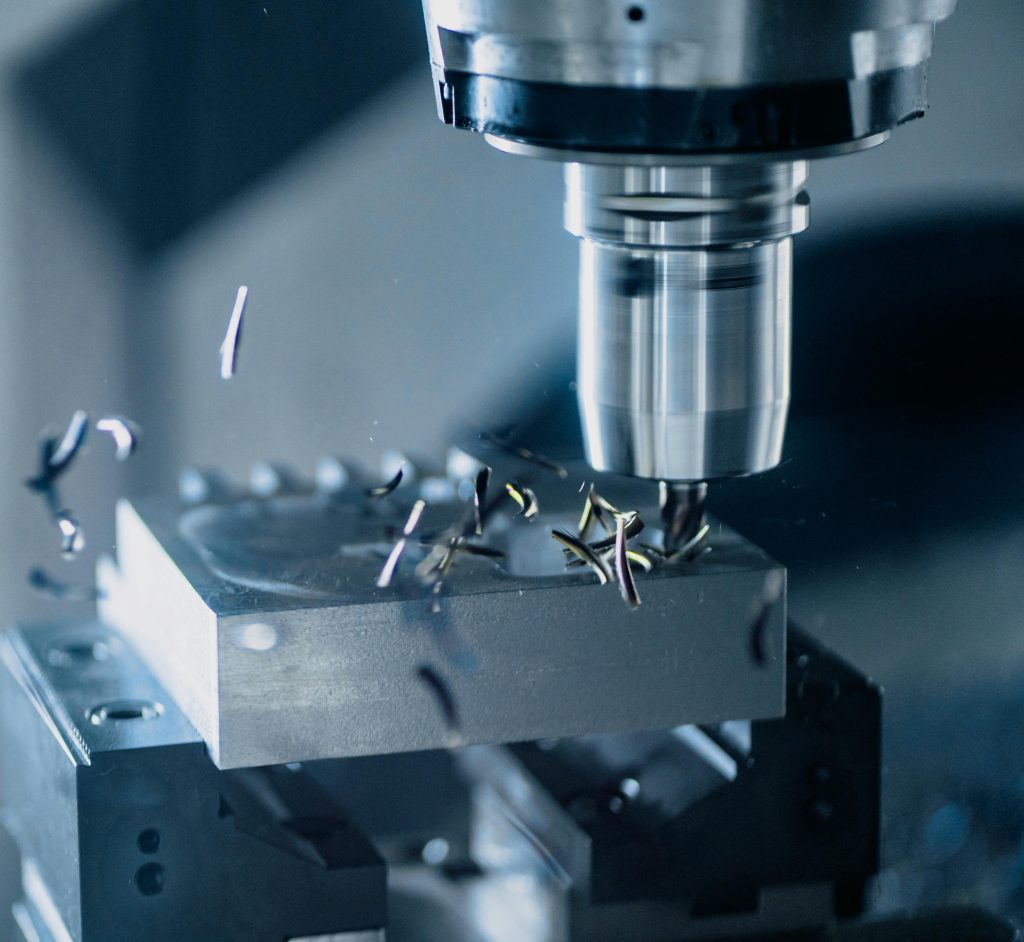
CNC milling uses rotating cutting tools to remove material from a stationary workpiece. A cnc milling machine can move along multiple axes to create complex geometries and detailed surfaces.
The Role of CNC Mills in Part Production
When discussing cnc machine milling or cnc milling machining, manufacturers are referring to operations performed by cnc mills that shape metal or other materials into finished parts. Modern cnc mill machines provide speed, consistency, and flexibility, making cnc milling machines essential for precision manufacturing.
If you want a deeper look at milling applications, explore CNC milling capabilities to see how complex geometries are achieved in real production settings.
CNC Milling Machines and Their Role in Manufacturing
CNC milling machines are widely used across industries because they allow manufacturers to create highly accurate components at scale. A cnc mill machine can handle everything from simple cuts to intricate multi-axis operations.
Companies often invest in advanced cnc mills to improve efficiency and reduce production time. When people ask what is a cnc milling machine or what is cnc milling machine technology, they are usually referring to this automated process that blends computer control with mechanical precision.
Meeting Strict Dimensional Requirements
The result is a cnc milled component that meets strict dimensional requirements. Manufacturers working in demanding sectors often pair milling with CNC turning services to create fully machined parts within a single workflow.
CNC Turning and Milling Services for Precision Results
Many companies rely on cnc turning and milling services to meet demanding production goals. Precision cnc services combine different machining methods to create parts that require tight tolerances and smooth finishes.
Precision cnc machining service providers often offer cnc machining capabilities that include milling, turning, drilling, and finishing. These cnc precision machining services help manufacturers produce parts faster while maintaining consistent quality standards.
Integrated Machining for Efficiency
Industrial cnc machining environments especially benefit from combining multiple processes into one streamlined workflow. This integrated approach reduces handling, improves turnaround time, and supports repeatable accuracy across production runs.
CNC Machining Capabilities and Applications
CNC machining capabilities vary depending on the equipment, materials, and expertise of the manufacturer. Common applications include aerospace components, automotive parts, medical devices, and industrial tooling.
Machining work often involves metals such as aluminum and steel, but cnc metalworking can also include plastics and composites. Because machining manufacturing is highly adaptable, companies can produce prototypes, custom parts, and large production runs using the same core technology.
Industry Applications Driving Demand
This flexibility explains why machining continues to grow across industries worldwide. Insights from publications like The Fabricator frequently highlight how precision machining supports innovation in complex manufacturing sectors.
Global Adoption of CNC Machining Technology
CNC machining technology is used globally, which is why terms like mecanizado cnc and cnc bearbeitung appear in international manufacturing discussions. No matter the language, the goal remains the same: precise, automated machining that improves efficiency and quality.
As manufacturing continues to evolve, cnc machines are becoming more advanced, integrating automation, sensors, and smarter programming to improve performance even further.
The Future of Automated Machining
Global investment in digital manufacturing continues to accelerate as companies adopt smarter, connected systems. CNC machining remains at the center of this evolution.
What Are CNC Machines Used For Today?
When people ask what are cnc machines used for, the answer spans nearly every modern industry. From prototype development to large-scale production, cnc machines deliver consistent results with minimal variation.
A cnc machine can produce parts with complex shapes that would be difficult or impossible using manual methods. This makes machining an essential solution for companies seeking repeatable quality and efficient production workflows.
From Prototyping to Production
Whether supporting short-run development or full-scale manufacturing, CNC systems provide the same level of programmed precision across every batch.
Why CNC Machining Matters in Modern Manufacturing
CNC machining has transformed the way manufacturers approach production by combining digital precision with mechanical reliability. Whether discussing cnc machining meaning, cnc process improvements, or advanced cnc machining capabilities, the core benefit remains the same: accurate, repeatable results at scale.
As more industries adopt automated manufacturing, cnc machining services and cnc milling machines will continue to play a central role in shaping the future of precision manufacturing.
Precision, Consistency, and Scalability
By uniting software-driven control with mechanical performance, CNC machining delivers dependable results across industries that demand strict tolerances and repeatable outcomes.
FAQ
Many people still ask simple but important questions about CNC machining, its process, and its applications. Below are concise answers based on the information covered above.
What is CNC machining?
CNC machining refers to a computer-controlled manufacturing process that removes material to create precise parts. It uses programmed instructions rather than manual control to guide cutting and shaping tools.
How does CNC machining work?
Engineers create digital designs that are converted into machine-readable instructions. The CNC machine follows these commands to perform cutting, drilling, and shaping operations with high repeatability.
What is a CNC machine?
A CNC machine is a programmable manufacturing system designed to automate machining work. It improves precision and reduces human error by following digital instructions.
What is CNC milling?
CNC milling is a machining process that uses rotating cutting tools to remove material from a stationary workpiece. It allows manufacturers to create complex geometries and detailed surfaces.
What are CNC machines used for?
CNC machines are used across industries to produce precise components for prototypes and full-scale production. They are valued for their accuracy, consistency, and efficiency.