
Sheet metal fabrication and assembly represents one of the most widely used and versatile manufacturing processes in the modern industrial landscape.
From aerospace and automotive parts to consumer electronics and architectural elements, sheet metal plays an indispensable role across industries.
This comprehensive guide explores Sheet Metal Fabrication Basics, design concepts, manufacturing tips, and assembly techniques — all optimized for understanding and real-world applications.
Understanding the fundamentals of sheet metal fabrication and assembly is crucial for manufacturers, designers, and engineers alike.
Whether you are beginning a new project or refining your processes, this article blends practical tips, design insights, and manufacturing guidelines to help you succeed.
What Is Sheet Metal Fabrication and Assembly?
At its core, sheet metal fabrication and assembly refers to the process of transforming flat sheets of metal into finished parts, components, or assemblies using cutting, bending, forming, and joining techniques.
Core Definition and Scope
Sheet metal, typically ranging from very thin gauges to heavier plates, can be shaped into a vast array of products, from structural components to intricate housings and enclosures.
This process integrates multiple operations including design, material selection, cutting, forming, bending, and assembly — providing high customizability, strength, and precision.
Industry Applications
It plays a crucial role in industries like defense, aerospace, automotive, construction, electronics, and renewable energy.
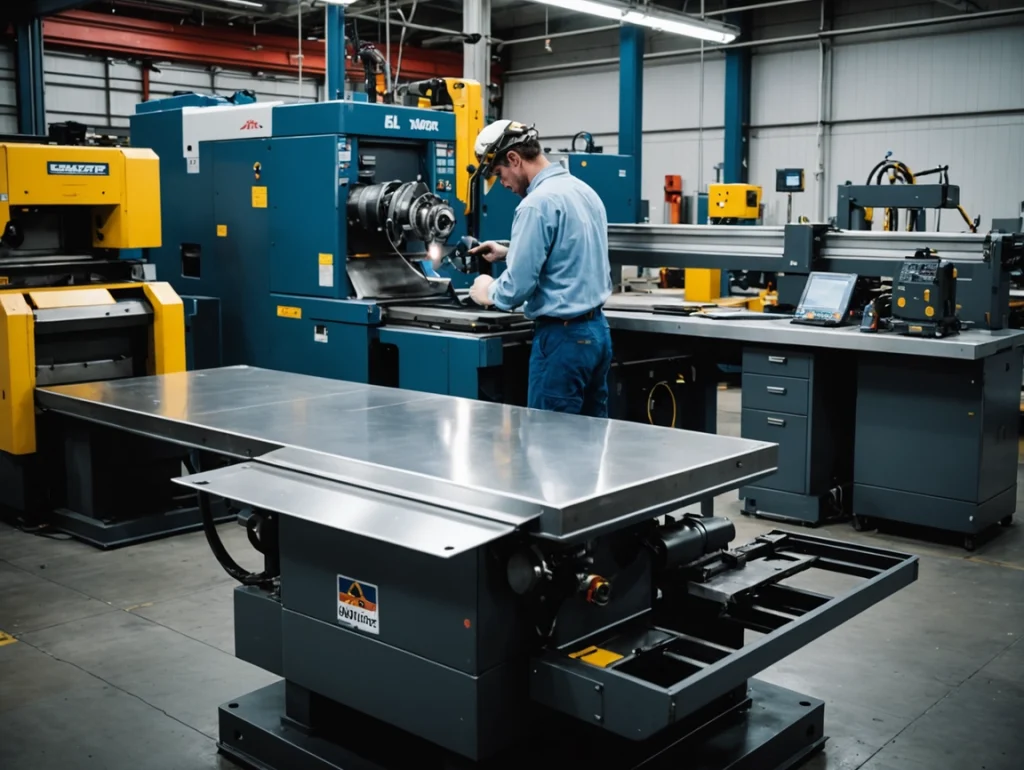
Because sheet metal fabrication can be performed with both manual tools and automated CNC machinery, it remains one of the most scalable and cost-efficient methods for producing complex metal parts.
Industry organizations such as SME frequently highlight the role fabrication plays in modern manufacturing efficiency and scalability.
Sheet Metal Fabrication Basics
Understanding Sheet Metal Fabrication Basics is essential before diving into design and manufacturing.
These basics cover what sheet metal fabrication is, common methods, materials, and terminology.
The Definition
Sheet metal fabrication is the transformation of flat metal sheets into specific shapes and parts through cutting, punching, bending, and assembly operations.
These processes are often controlled by computer numerical control (CNC) systems that precisely convert CAD designs into finished parts.
Materials Used
Common materials in sheet metal manufacturing include:
- Aluminum: Lightweight, corrosion-resistant, widely used in aerospace and automotive industries.
- Steel and Stainless Steel: Highly durable and strong; ideal for structural components and industrial machinery.
- Copper and Brass: Used in electrical applications due to excellent conductivity.
- Alloys: Selected based on strength, corrosion resistance, weight, or thermal properties.
Primary Processes
The core methods of sheet metal fabrication include:
- Cutting: Removing pieces from flat sheets using lasers, waterjets, shears, or plasma cutters.
- Forming and Bending: Applying force to change the shape of the sheet — often with a press brake.
- Punching: Creating holes or cutout shapes using a punch press.
- Stamping: Using dies and presses to produce high-volume parts.
Manufacturing standards and engineering guidelines from organizations such as ASME help ensure consistency and reliability in metal fabrication processes.
The Importance of Sheet Metal Manufacturing
Sheet metal manufacturing is more than cutting and bending metal — it’s a strategic blend of engineering, design, and production efficiency.
Across industries, its advantages include:
Key Advantages
- Versatility: Able to create parts ranging from simple brackets to complex chassis.
- Durability: High strength-to-weight ratio makes it ideal for rugged applications.
- Precision and Scalability: With automated CNC machines, parts can be made at high tolerance and repeated with consistency.
- Cost Efficiency: Especially for high-volume production, tooling and automation reduce labor and cycle time costs.
Publications like The Fabricator frequently explore how modern fabrication shops improve productivity and maintain quality standards.
Sheet Metal Design: A Key Step in Fabrication Success
No discussion of sheet metal fabrication and assembly is complete without addressing sheet metal design.
Good design is essential for manufacturability, reducing cost, and ensuring quality in finished parts.
Design for Manufacturability
A solid sheet metal fabrication design guide includes understanding bend allowances, material behavior, and tooling limitations — all crucial for turning a concept into a manufacturable part.
Design Principles
Since sheet metal parts are formed from flat sheets, designs must maintain consistent thickness throughout to ensure predictable bending and forming behavior.
Bend radius should be at least equal to the material thickness to prevent cracking, while the K-factor represents how much material stretches during bending and is vital for accurate flat patterns.
Avoid placing holes too close to bends or edges to prevent deformation.
Relief cuts help reduce stress and tearing in areas where bends extend close to edges.
Standards and engineering references published by ASTM International are commonly used to validate sheet metal material and design decisions.
Practical Sheet Metal Fabrication and Assembly Tips
Design and planning are only half the equation — executing sheet metal fabrication and assembly with skill completes the process.
Based on proven practices, here are five essential tips.
Tools, Materials, and Safety
Having the correct tools is foundational.
For fabrication, tools include metal shears, snips, press brakes, and CNC cutting machines.
For assembly, rivet guns, welding systems, and fasteners are necessary.
Sheet metal fabrication involves sharp edges, heavy materials, and powerful tools.
Always wear protective gear — including gloves, eye protection, and hearing protection — and maintain a clean, organized workspace.
Safety guidance from OSHA outlines best practices for preventing injuries in industrial environments.
Process Selection and Expertise
Understanding various fabrication techniques — such as bending, cutting, and welding — enables you to choose the ideal method for each project.
For smaller or custom projects, doing it yourself can save money and enable creative flexibility.
For complex parts or large volumes, professional sheet metal fabricators bring expertise, advanced tooling, and efficiency.
Assembly Techniques in Sheet Metal Fabrication
Assembly transforms individual sheet metal parts into functional products or structures.
Common sheet metal assembly methods include:
Common Joining Methods
- Welding: Joining metals through heat, such as MIG or TIG welding.
- Riveting: Using mechanical fasteners, often for lightweight assemblies.
- Bolting and Screwing: Ideal for parts needing disassembly or modularity.
Selecting the proper assembly technique depends on the design requirements, material types, and end-use specifications.
Reducing Errors and Improving Manufacturability
Design for manufacturing strategies help prevent costly errors.
Examples include standardizing bend angles, avoiding small holes near bends, and optimizing material usage through efficient nesting.
Design Optimization Practices
These practices save time and improve quality throughout the sheet metal fabrication and assembly process.
Future Directions in Sheet Metal Manufacturing
As industries advance, sheet metal fabrication continues to evolve.
Automation, robotics, and smart manufacturing boost efficiency, precision, and throughput.
Technology and Innovation
By embracing these technologies, manufacturers can handle more complex designs while maintaining cost efficiency.
Research from McKinsey Manufacturing Insights and Deloitte Manufacturing Insights frequently highlights automation as a competitive differentiator in advanced manufacturing.
Improving Quality, Reducing Cost
Sheet metal fabrication and assembly is a multifaceted discipline that combines engineering, design, and hands-on manufacturing.
By understanding Sheet Metal Fabrication Basics, implementing thoughtful sheet metal design, and applying practical fabrication techniques, you can improve part quality, reduce cost, and increase production efficiency.
This guide integrates key principles from multiple authoritative sources — offering a unified, actionable overview of sheet metal fabrication and assembly that meets both design and practical application needs.
Frequently Asked Questions
Below are common questions related to sheet metal fabrication and assembly, covering design, manufacturing, and practical considerations.
What is sheet metal fabrication and assembly?
Sheet metal fabrication and assembly is the process of transforming flat metal sheets into finished parts or assemblies through cutting, bending, forming, and joining methods such as welding, riveting, or fastening.
What industries use sheet metal fabrication and assembly?
Sheet metal fabrication and assembly is widely used in aerospace, automotive, construction, electronics, defense, renewable energy, industrial equipment, and architectural applications.
What materials are commonly used in sheet metal manufacturing?
Common materials include aluminum, carbon steel, stainless steel, copper, brass, and specialized alloys selected for strength, corrosion resistance, conductivity, or weight requirements.
Why is sheet metal design important?
Sheet metal design is critical because it directly affects manufacturability, cost, strength, and quality. Proper sheet metal design reduces errors, minimizes waste, and ensures parts can be fabricated and assembled efficiently.
What are Sheet Metal Fabrication Basics?
Sheet Metal Fabrication Basics include understanding materials, thickness, cutting methods, bending techniques, tolerances, and common manufacturing processes used to convert flat sheets into finished metal parts.
What assembly methods are used in sheet metal fabrication?
Common assembly methods include welding, riveting, bolting, screwing, and the use of mechanical fasteners, depending on strength requirements, disassembly needs, and material types.